Sayla: Crafting Elegance with a Modern Script Font
In the vast sea of design assets, finding a typeface that feels both personally expressive and professionally polished can be a challenge. Sayla presents itself as a compelling solution, a script font that bridges the gap between heartfelt, handwritten charm and sleek, contemporary style. It’s not just another pretty face in the font library; it’s a versatile tool designed for creators who want their work to communicate sophistication, warmth, and a distinct creative flair. This premium font offers a lovely concept, blending fluid, elegant letterforms with a clean, modern aesthetic that avoids the pitfalls of overly ornate or dated script styles.
The Visual Personality of Sayla
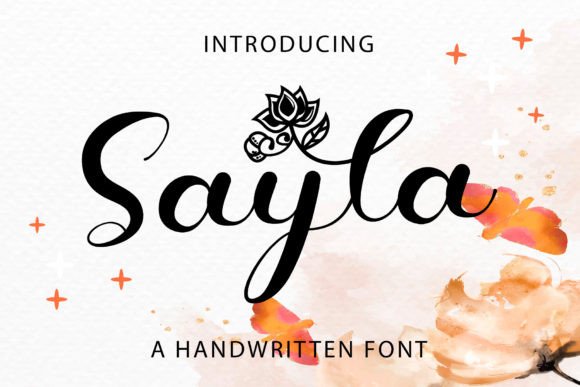
At its core, Sayla is a beautiful and elegant script font. Its character stems from a flowing, connected baseline that mimics the natural rhythm of skilled calligraphy. The letterforms feature graceful, sweeping ascenders and descenders, giving words a sense of movement and life. Unlike some handwritten fonts that can appear casual or chaotic, Sayla maintains a careful balance. It has a classy and unique look, with subtle variations in stroke width that add depth and authenticity. The overall effect is one of modern romance—think of a love letter written with precision, or a boutique logo that feels both personal and established.
This typeface isn't designed for long paragraphs of body text. Its strength lies in display applications where its personality can shine. The spacing and flow are optimized for headlines, logos, and short, impactful phrases. The default character set is beautiful on its own, but its true power is unlocked through its PUA (Private Use Area) encoding. This technical feature is a practical gift to designers, providing immediate access to a full suite of alternate glyphs, swashes, and ligatures. With a simple click in any standard design software, you can transform a standard word into a custom, hand-lettered masterpiece, adding flourishes and stylistic variations without needing advanced typographic skills.
Where Does Sayla Excel in Real Projects?
The applications for a font like Sayla are remarkably broad, touching nearly every corner of the creative and commercial landscape. Its versatility is its greatest asset, allowing it to adapt to different project needs while maintaining its core identity of elegant sophistication.
In Branding and Logo Design: Sayla is an excellent choice for crafting a memorable brand identity. For businesses that want to project a sense of artisanal quality, luxury, or personalized service, this font can become the cornerstone of their visual language. Imagine it used for a high-end bakery, a wedding photography studio, a boutique consultancy, or a premium skincare line. When used for a logo, it instantly communicates care, elegance, and a human touch. Paired with a clean, geometric sans serif font for supporting text, it creates a balanced and professional hierarchy that is both beautiful and functional.
For Invitations, Stationery, and Editorial Design: This is where Sayla feels most at home. For wedding invitations, event announcements, or greeting cards, it sets an immediate tone of celebration and importance. In editorial design, such as magazine headlines, chapter titles in a book, or featured quotes on a blog, it adds a layer of visual interest and draws the reader's eye. Its elegant flow makes it perfect for any project where the text itself is a key part of the design, not just a vessel for information.
Digital Presence and Social Media: In the crowded digital space, a distinctive script font can be a powerful tool for recognition. Sayla works beautifully for social media graphics, Instagram quotes, YouTube thumbnails, and website hero text. It helps a brand stand out in a feed, making content feel more curated and professional. For a web design project, it can be used sparingly for key call-to-action buttons or section headers to inject personality without compromising overall site readability.
Making the Most of Sayla: Practical Considerations
Choosing a creative font is just the first step. Using it effectively requires a bit of strategic thinking to ensure it enhances rather than hinders your project.
Evaluating Project Fit: Before diving in, ask yourself if the personality of Sayla aligns with your project's goals. Is the tone romantic, luxurious, friendly, or sophisticated? If your brand voice is starkly corporate, technical, or minimalist in a brutalist sense, a fluid script might create a disconnect. Always test the font in context with your other design elements—colors, imagery, and layout—to see if it feels cohesive.
The Art of Font Pairing: A script font rarely works well in isolation for complete projects. The key to professional typography is effective pairing. Sayla’s elegant nature pairs exceptionally well with a stable, neutral serif font for body copy or a clean, modern sans serif font. The contrast between the expressive script and the structured supporting type creates visual interest and ensures readability. Avoid pairing it with other decorative or overly stylized fonts, as this can lead to visual clutter and confusion.
Readability is Paramount: As with any display font, size and contrast are critical. Sayla is designed for impact, not for setting a 12-point paragraph. Use it at larger sizes where its delicate details and swashes are clearly visible. Ensure there is sufficient contrast between the text color and the background. While it’s a beautiful modern typography choice, always prioritize the clear communication of your message.
Understanding Licensing: For any commercial font, always review the licensing agreement. This is a fundamental part of using design assets ethically and legally. Confirm that the license covers your intended use, whether it’s for a single client project, an unlimited number of prints, or for creating products for sale. Respecting font licensing supports the type designers who create these tools for the creative community.
Ultimately, Sayla is more than just a collection of glyphs; it's a tool for storytelling. Its lovely concept and practical versatility make it a valuable addition to any designer's toolkit, capable of elevating projects from the ordinary to the memorable with a touch of elegant, modern charm. By understanding its strengths and applying it thoughtfully, you can harness its potential to create compelling brand identities, stunning packaging designs, and engaging social media graphics that resonate with your audience.