Love Dog: A Playful Typeface for Joyful Designs
There are certain projects where standard, serious typefaces simply fall short. When you are working on a children’s book cover, a cartoon logo, or a whimsical invitation, you need a font that carries emotion immediately. Love Dog is exactly that kind of tool. It is a cool and original-looking decorative font that steps away from the rigid structures of traditional serif and sans serif typography. Instead, it embraces a playful, hand-drawn aesthetic that feels personal and energetic. If your goal is to inject a sense of joy into your visual communication, this typeface offers a distinct personality that is hard to ignore.
The Visual Character of a Creative Font
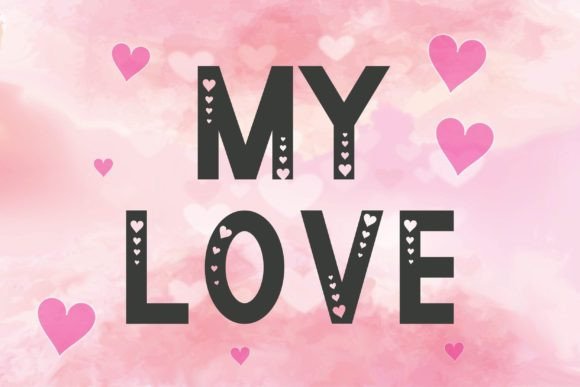
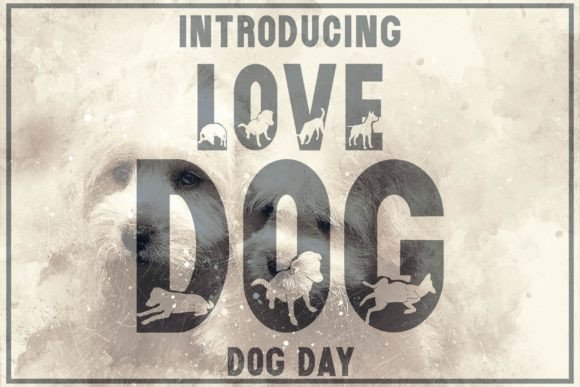
When evaluating a premium font like Love Dog, the first thing to notice is its construction. It does not look like a standard digital file; it mimics the organic imperfections of hand-lettering. The strokes have a natural flow, likely featuring varying thicknesses and rounded edges that soften the overall appearance. This lack of rigidity is what makes it so effective for casual and fun themes. It avoids the corporate stiffness of a geometric sans serif, opting instead for a friendly and approachable vibe.
The "personality" of a typeface plays a huge role in how a message is received. Love Dog communicates warmth. It feels like a handwritten font that has been polished just enough to be legible while retaining its charm. This makes it an excellent choice for logo design where the brand wants to appear accessible and human. It bridges the gap between a childlike scribble and a professional display font, making it versatile enough for both commercial and personal use.
Practical Applications for Modern Typography
Understanding where to use a creative font like this is key to effective design strategy. Because it is a decorative typeface, it works best in short bursts of text where its unique shapes can shine without causing fatigue. It is not designed for reading long paragraphs of body copy; rather, it serves as a visual highlight.
Here are several specific contexts where Love Dog excels:
- Brand Identity and Logo Design: For brands targeting families, children, or the pet industry, this font sets an immediate emotional tone. It works well for bakery logos, toy shops, or creative studios that want to appear fun and original.
- Packaging Design: If you are designing labels for snacks, crafts, or boutique goods, using Love Dog for the product name can make the item jump off the shelf. It suggests that the product inside is made with care and personality.
- Editorial Design: In magazines or newsletters, use it for pull quotes or section headers. It breaks up the monotony of standard text blocks and draws the reader's eye to key messages.
- Digital and Social Media: Attention spans are short online. A bold, quirky header in a YouTube thumbnail or an Instagram story created with Love Dog can stop the scroll. It adds a layer of visual interest that standard web fonts often lack.
Strategic Use: Readability and Visual Hierarchy
As a designer or content creator, your goal is to guide the viewer's eye. Love Dog is a powerful tool for establishing a visual hierarchy. By using it for your primary headers, you instantly separate the title from the informational content. This contrast helps the viewer understand what is most important first.
However, readability is the golden rule of modern typography. Because Love Dog is a display font, you must be mindful of size. It likely reads beautifully at 48pt on a poster but might become illegible at 10pt on a mobile screen. When using it for web design, stick to large hero text or button labels. Do not force it into navigation menus or footer text where clarity is paramount. The goal is to use its style to enhance the mood, not to confuse the message.
Integrating Love Dog into Your Workflow
Adopting a new typeface into your toolkit requires some testing. Before finalizing a design, you should explore the included styles. High-quality fonts often come with alternates, ligatures, or different weights that allow you to customize the look. Check if the font includes special characters that fit your specific needs, especially if you are working on international projects.
Font pairing is another critical skill. Because Love Dog has a strong personality, it needs a partner that can play a supporting role. Pairing it with another decorative script font would likely result in visual chaos. Instead, look for a clean, neutral sans serif font or a simple serif font. For example, a geometric sans serif with uniform line weights can ground the whimsical nature of Love Dog, creating a balanced composition. This contrast ensures that your design looks professional rather than cluttered.
Commercial Considerations and Licensing
If you are using this font for a client project or your own business, the legal details matter. Always verify the commercial font licensing. "Free for personal use" often does not cover commercial projects like selling merchandise or creating client logos. Ensure you have the correct license to avoid legal issues down the road. Investing in a premium font is an investment in your brand's professionalism and legal safety.
Final Thoughts on Originality
In a market saturated with generic templates, using a distinctive font like Love Dog can be a differentiator. It shows that you care about the details and that you are willing to move beyond default system fonts to find the perfect fit. Whether you are a small business owner designing your own flyer, a crafter making greeting cards, or a marketer creating a holiday campaign, this font offers a practical way to add originality. It is not just about letters on a page; it is about the feeling those letters evoke. When used thoughtfully, Love Dog transforms standard text into a memorable visual experience.