Flower Embroidery Design: A Modern Classic for Your Projects
There’s something about a well-executed floral embroidery that feels both timeless and deeply personal. It’s more than just a pattern; it’s a statement piece that brings a touch of nature and artistry into our everyday spaces. The Flower embroidery design we're exploring today is a perfect example of this. It’s not just a generic bloom—it’s a carefully crafted piece of digital art with stunning details that translate beautifully into thread. Whether you're a seasoned crafter looking for your next project or a small business owner aiming to add a unique, handcrafted element to your products, this design offers a versatile and elegant solution.
The Anatomy of an Elegant Design
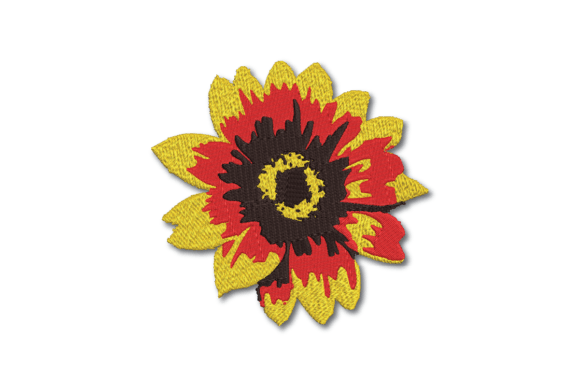
What makes the Flower design so special? At first glance, it captures the organic, slightly imperfect beauty of a real flower. The petals aren't rigidly symmetrical; they have a gentle flow and layered depth that mimic nature. This attention to detail is what elevates it from a simple clipart to a premium embroidery asset. The linework is clean, suggesting a skilled hand, while the areas intended for fill stitches are designed to create texture and dimension. It possesses a personality that is both classic and contemporary—it can feel at home on a vintage-style linen table runner or add a fresh, modern touch to a minimalist t-shirt. The style leans towards a sophisticated realism, avoiding overly cartoonish or abstract interpretations, which gives it broad appeal and lasting power.
Where This Floral Design Truly Shines
The true test of any design asset is its versatility. The Flower embroidery design excels here, offering a fantastic range of applications that span from personal homeware to commercial products.
- Home Décor and Textiles: This is where floral embroidery feels most natural. Imagine this design stitched onto a set of crisp white pillowcases to add a focal point to a bedroom. It would be stunning as the centerpiece on a table runner or elegantly placed on the corner of napkins for a dinner party. For a larger statement, it could be adapted for a bed set duvet cover, creating a cohesive and luxurious look.
- Apparel with a Personal Touch: Move beyond the basic logo. Stitching this design onto the pocket area of a t-shirt, the back of a denim jacket, or onto a tote bag instantly transforms a mass-produced item into something unique. For entrepreneurs in the fashion or merch space, this offers a way to create limited-edition pieces without the cost of custom printing runs. It signals quality and care to your customers.
- Branding and Packaging: For small businesses, especially in the wellness, beauty, or artisan food sectors, a floral motif can be a powerful part of a brand identity. This design could be embroidered on staff aprons, used to decorate gift packaging, or featured on product tags. It adds a tangible, high-quality feel that digital printing can’t always replicate, helping your brand tell a story of craftsmanship and attention to detail.
Making the Design Work for You: Practical Considerations
Before you start stitching, a little planning goes a long way. Choosing the right fabric is crucial. For apparel like t-shirts, a medium-weight cotton or cotton-blend works best. Always use a suitable stabilizer—cut-away or tear-away depending on the fabric's stretch—to prevent puckering and ensure the design's intricate details remain crisp. For home textiles like pillowcases or table runners, a stable linen or cotton canvas is ideal.
Color is your next creative decision. The design will look dramatically different depending on your thread choices. A monochromatic palette in shades of a single color (like blues or grays) can create a sophisticated, modern look. A traditional, multi-color palette will emphasize its natural, realistic style. Don’t be afraid to experiment with variegated threads for a unique effect on the petals. The key is to choose colors that complement the base fabric and fit the overall mood of your project.
Finally, consider scale. While the design is provided in a standard size, most embroidery file formats allow for some resizing. However, significant scaling can affect stitch density and quality. It’s always best to test stitch a resized version on a scrap piece of your chosen fabric before committing to the final product. This simple step ensures your Flower embroidery will look as beautiful in thread as it does on screen.
In the end, this Flower embroidery design is more than just a file to be stitched. It’s a starting point for creativity, a way to add a layer of handmade value to your projects, and a tool to build a distinctive visual identity. Its blend of detailed artistry and practical versatility makes it a worthy addition to any crafter's or designer's toolkit.